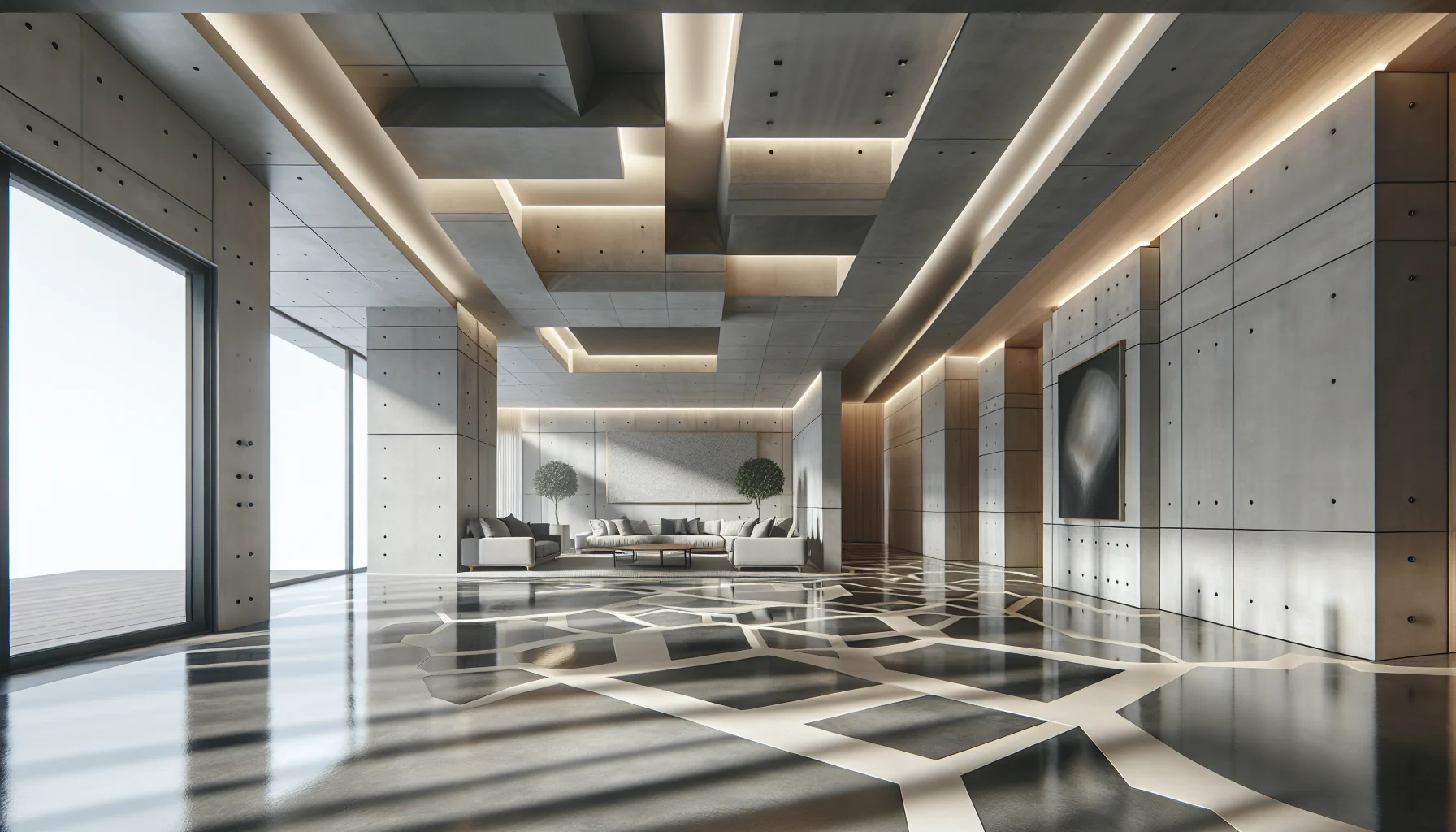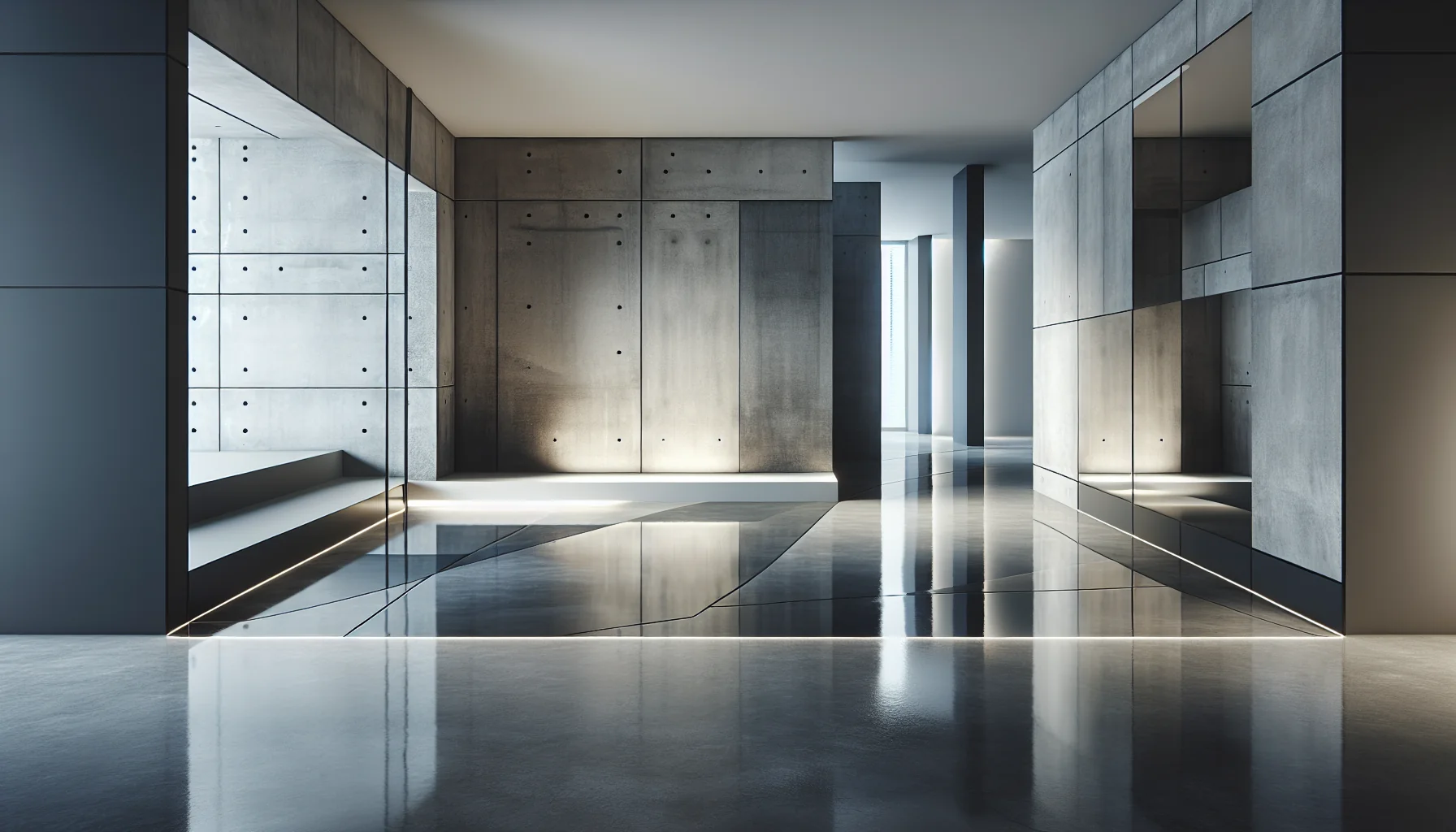
The Art and Science of Polished Concrete Flooring: A Deep Dive
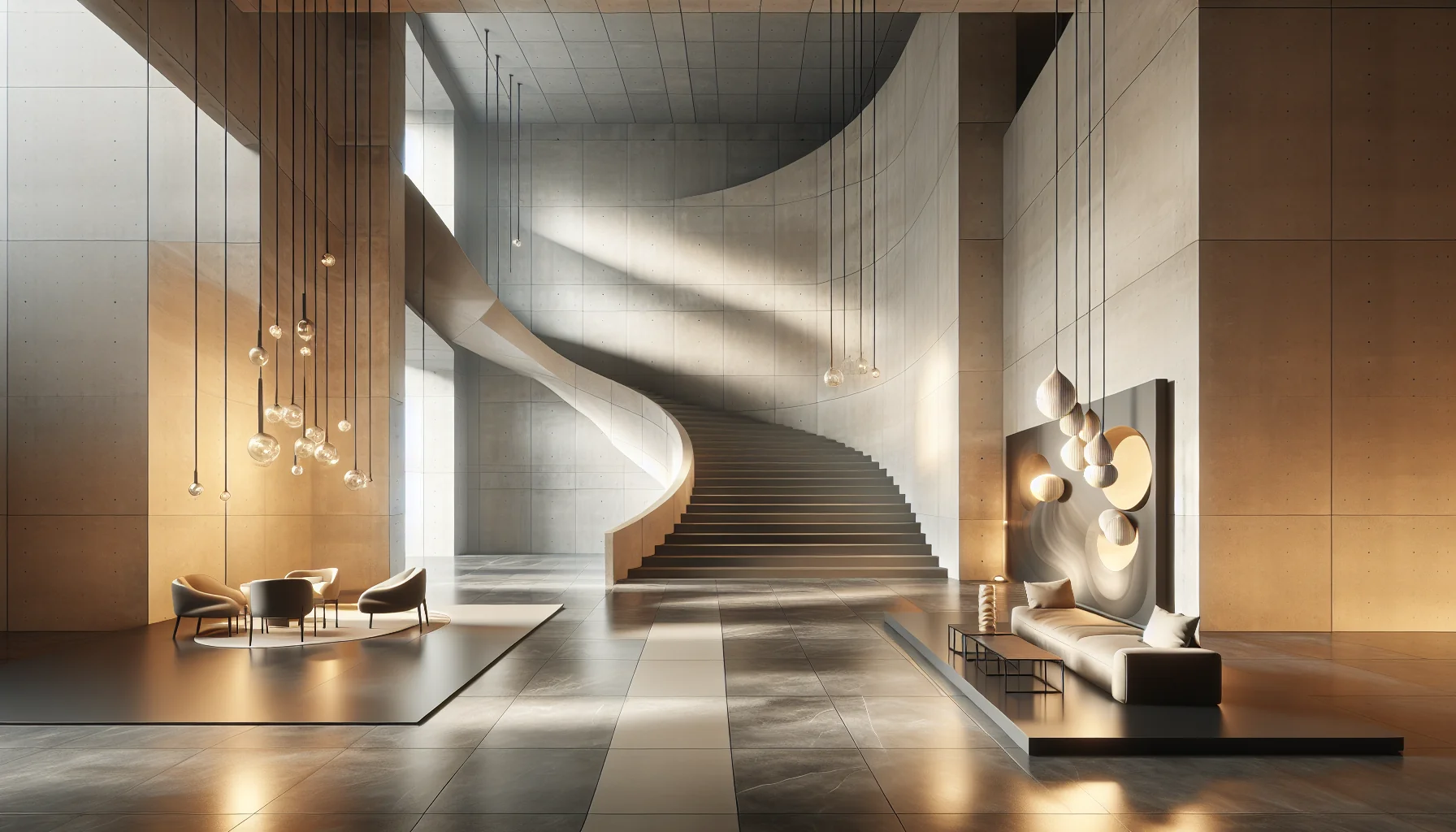
Introduction
Polished concrete flooring has emerged as one of the most sought-after choices in modern architecture and interior design. This article investigates the intricacies of polished concrete, exploring its evolution, benefits, and the craftsmanship behind its stunning finish.
The Evolution of Polished Concrete
Polished concrete flooring has seen a renaissance over the past two decades, transitioning from a utilitarian choice for industrial spaces to a high-end design element in residential and commercial settings. Initially favored for its durability and low maintenance, designers now celebrate its aesthetic versatility.
Historical Context
Historically, concrete was viewed merely as a functional material. However, advances in technology and an increased emphasis on sustainability have transformed it into a canvas for artistic expression. This evolution reflects broader trends in the design industry, where functionality meets beauty.
Benefits of Polished Concrete
Polished concrete offers a myriad of advantages, making it a compelling choice for homeowners and designers alike.
Sustainability
One of the most significant benefits of polished concrete is its sustainability. By using existing concrete slabs and minimizing waste, this flooring option significantly reduces the carbon footprint compared to traditional flooring materials.
Aesthetic Appeal
With a variety of finishes available, polished concrete can complement any design scheme. From a sleek, high-gloss shine to a more rustic, matte appearance, the options are limitless. This adaptability allows architects and designers to create unique spaces that reflect their clients’ personal styles.
Durability and Maintenance
Polished concrete is not only beautiful but also incredibly durable. Resistant to scratches, stains, and moisture, it is ideal for high-traffic areas. Furthermore, its maintenance requirements are minimal, often requiring just a simple wipe-down to keep it looking pristine.
The Craftsmanship Behind Polished Concrete
Creating polished concrete flooring is both an art and a science. The process involves multiple stages, including grinding, honing, and polishing, each requiring specialized knowledge and skill.
The Grinding Process
The first step in achieving a polished finish is grinding the concrete to the desired level of exposure. This stage is crucial, as it determines the final look of the floor. Experts utilize diamond-embedded grinding pads to achieve varying levels of smoothness and shine.
Honing and Polishing
After grinding, the concrete is honed and polished using finer pads, progressing to higher grits. This meticulous process enhances the concrete's natural beauty, revealing unique patterns and textures that make every floor one-of-a-kind.
Conclusion
As polished concrete flooring continues to gain popularity, it is essential to recognize the skill and artistry involved in its creation. This flooring option not only meets the demands of modern design but also aligns with a commitment to sustainability and durability.
In a world where aesthetics and functionality must coexist, polished concrete stands as a testament to what can be achieved when tradition meets innovation.

Oliver Bennett
Deep diving into the details that matter. Uncovering the truth behind the stats.
View Articles